
A cold wallet keeps the key offline
A cold wallet is a place where the private key is created and kept off the internet. That is the whole of the protection. It does not change what the coin publishes. Bitcoin on a hardware device is still a public ledger. Monero on a phone is still Monero. The choice on this page is where the key sits, and who the wallet talks to: an exchange, a hot app, Electrum and its server, your own node over Tor, or a device that signs inside itself.
Which Monero program to open, and which seed that program writes down, is the Monero page. This one is the storage, for whichever coin you already hold.
Where the key can sit
- On the exchange
- You do not have a wallet. The company has the key and your name. Withdrawing is the step that creates a wallet that is yours. What that withdrawal still shows the exchange is the crypto privacy page.
- A hot wallet
- The key is on a phone or a computer that is online. Convenient, and the machine is in the path. Malware that can read that machine can read the key, or can wait until you type the seed.
- Your own node, reached over Tor
- The key is still on the hot machine. What changes is who learns the IP and the addresses. For Bitcoin that machine is usually Electrum, below. For Monero it is a node you run, and the Tor flags are on the Monero page.
- A cold wallet
- The key never goes on the online machine. Electrum's version is an offline wallet plus a watching-only copy. A hardware wallet is a device that signs inside itself. Both are below. Neither hides a Bitcoin payment after you broadcast it. The ledger is the Bitcoin page.
Electrum, and what its server is allowed to know
Electrum is a Bitcoin wallet. The project says it has never supported any other coin, and that forks for other coins are separate software it does not review. The speed comes from servers. By default the client keeps connections to about ten of them. Nine of those are used for block headers and fee estimates. One, picked arbitrarily, is the main server, and that is the one that matters.
The client never sends private keys to a server, and it checks confirmed transactions with simple payment verification. The privacy it gives up is narrower and still real. It subscribes to its own addresses on the main server, and it syncs their history, so that server can guess the addresses belong to one entity. The same server is trusted about unconfirmed transactions, it can leave a transaction out, and it is the one that broadcasts what you send. Every server you are connected to sees the IP, unless that IP is a proxy's. The FAQ's own line, if that bothers you, is to run your own Electrum server.
If you do run that server, the client only connects over SSL. The plaintext option was a checkbox, removed before Electrum 3.1. A self-signed certificate is pinned the first time you connect, and a mismatch later is refused until the certificate expires. A certificate signed by a public authority skips that first-connection risk and replaces it with trust in the authority. Neither choice is the server learning your addresses. That happens because you subscribed, not because the lock icon is missing.
Tor does not fix the subscription. It fixes the IP. Electrum's Tor page describes two setups. One server only: headers and history come from the same place, which is the more private option and the one that trusts that server the most, because you no longer compare headers across several machines. Or several servers for headers, and one onion server for the rest: the headers are harder to fake, and more servers see the connection. The page says the single-server option sacrifices some security for privacy.
Do not follow that page's commands as a current install. They unpack Electrum 2, install python-qt4, and point -s at one onion address on a list maintained by a person who asks to be emailed. The choice in the first paragraph is the part that has not gone stale. The server name and the package commands have. The download is electrum.org. The FAQ's answer to an antivirus flag is to check the GPG signature, or to build it yourself, not to fetch the file from a different site.
The seed is the phrase the wallet gives you, and the FAQ says to keep it on paper. Electrum's seed is 132 bits. It is not a Monero seed, and it is not the 12, 20 or 24 words a Trezor writes down. Restoring means a new wallet and "I already have a seed". Lose the password and the seed still restores it. Lose both and the coins are gone. The wallet file can be encrypted, and since version 2.8 that encryption is on by default, but the FAQ says the secrets stay unencrypted in memory for the session.
A cold wallet, two ways
Trezor defines a cold wallet as one whose private keys are generated and stored offline, so they are never exposed to the internet. A hardware wallet is the device that does that: the unsigned transaction goes in, the signature is made inside, and the key does not come out. A hot wallet, on the same account, is the key living on a phone, a desktop or a browser extension. The usual split is the hardware device for the amount you do not need this week, and a hot wallet for the amount you do. The device does not make the payment private. It makes the key harder to steal from the computer you type on.
| Exchange | Electrum, default servers | Electrum, your server over Tor | Cold wallet | |
|---|---|---|---|---|
| Who holds the key | The company | You, on an online computer | You, on an online computer | You, on a machine or a device that is not online |
| Who sees the addresses together | The company, under your name | The main server | Your server | Whoever you broadcast through, once you spend |
| Who sees the IP | The company | Every server you connect to | The Tor circuit, not the server, if the connection is an onion | The online machine that broadcasts. The offline key never had an IP. |
| What Bitcoin still shows | The payment, the change, and the history of the address, on the public chain. Tor and a cold key do not edit that. | |||
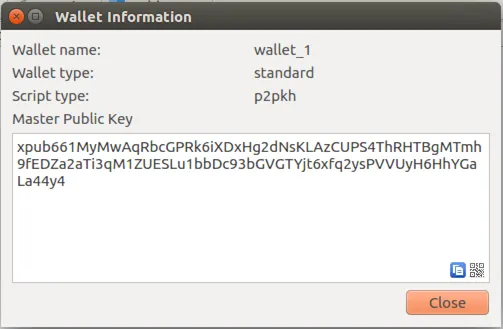
Bitcoin cold storage, in Electrum's manual, is a procedure rather than a brand of device. You create the wallet on a machine that stays offline. Wallet, then Information, shows the master public key. That key, and not the seed, goes to an online machine, where you make a watch-only wallet. Electrum's name for it is watching-only. The online copy can build a transaction and save it. You carry the file to the offline machine, sign it, and carry the signed file back to broadcast. The FAQ's one-line answer is that Electrum does support cold wallets, and it points at that procedure.
A Trezor backup is 12 or 24 words under BIP-39, or 20 words under SLIP-39. Trezor's rule for those words is that they are never typed into a phone or a computer. Typing them into Electrum to "restore onto the laptop" is how a cold wallet becomes a hot one. The Electrum cold procedure moves the master public key and the unsigned transaction. It does not move the seed.
Monero and Zcash are not an Electrum setting
Electrum will not hold them. A fork that puts another coin in an Electrum-shaped window is someone else's project. Which Monero app to open, which seed it writes down, and which hardware model that app actually talks to are on the Monero page. A Trezor that signs Bitcoin does not, by that fact, sign Monero. Suite does not.
Zcash depends on the address the wallet offers. A transparent address publishes the payment. A wallet that shields by default is the one Zcash's getting-started page tells you to use when the history has to stay off the public chain. Monero vs Zcash is the page for when that address is the difference between the two coins. The purchase that still has your name on it is the hub. A cold key on a transparent Zcash address is a public payment signed offline.
The order that keeps the key where you put it
- Write the seed on paper from the wallet that created it, before any amount you care about arrives. Electrum says paper. A photo of the page is a copy in someone else's account.
- If the amount can live on an online machine, and the coin is Bitcoin, use Electrum from electrum.org, then decide the server. Your own server is the FAQ's answer. Tor is how the server stops seeing your IP. One server is more private and easier to lie to. Several servers make the headers harder to fake.
- If the amount should not live on that machine, use the cold procedure or a hardware device. The watching-only wallet gets the master public key. It does not get the seed.
- Send a small amount, wait until the watching copy shows it, then move the rest. A cold wallet you have never successfully spent from is a stack of words you hope you wrote down correctly.
The node, the Tor circuit and the offline key answer three different observers. None of them answers the exchange you bought from, and none of them answers a Bitcoin address that has already been used. That history is public whether the key that signed it was in a phone or in a drawer.